Radon Mitigation Systems: How They Work
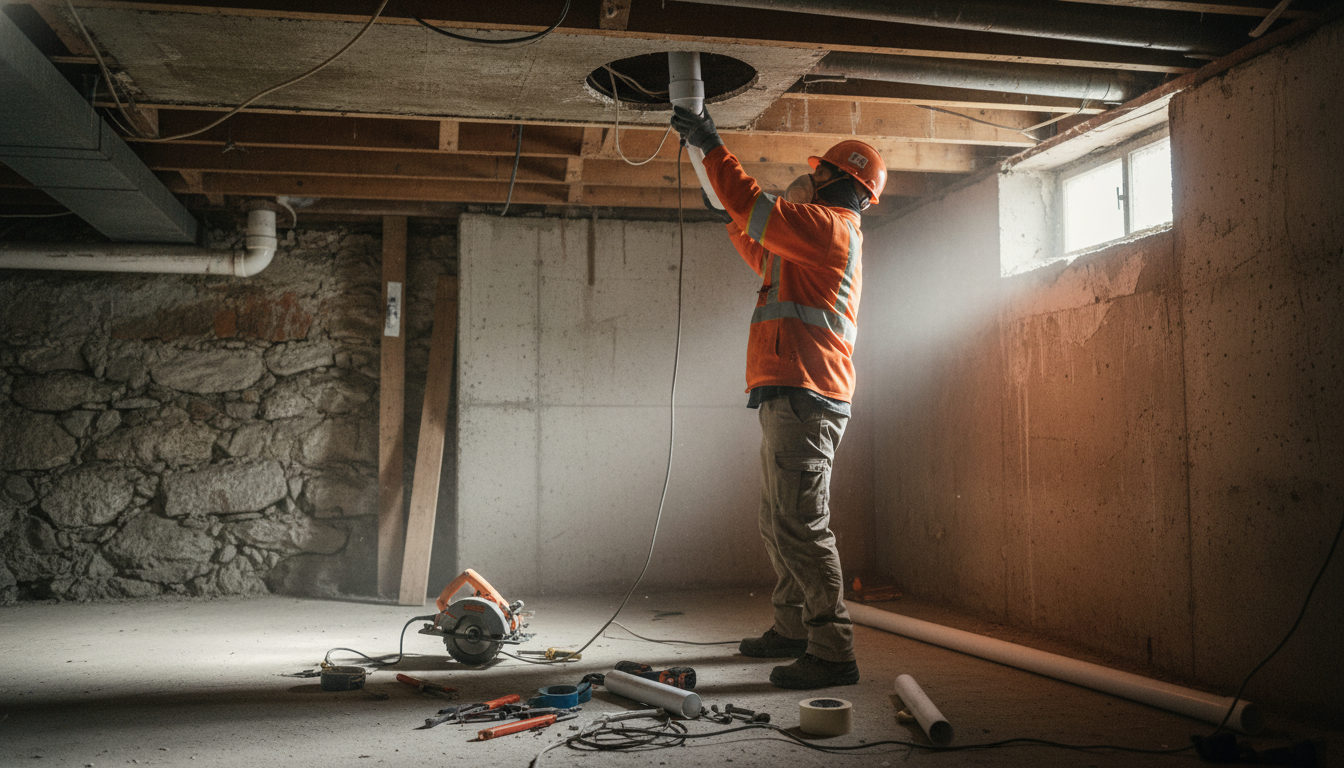
How Radon Mitigation Systems Work
Radon mitigation systems are engineered solutions that actively reduce radon concentrations in your home. While radon enters homes due to natural pressure differences between soil and your living space, mitigation systems reverse this dynamic by creating controlled depressurization. These systems are highly effective, typically reducing radon levels by 95-99%, turning dangerous homes into safe spaces for families.
Understanding how mitigation systems work demystifies the process and helps you appreciate why professional installation matters. Ohio homeowners benefit from several proven mitigation techniques, each suited to different home configurations and radon levels.
The Core Principle: Depressurization
All effective radon mitigation systems work on the same fundamental principle: depressurization. By creating slightly lower pressure in the soil or foundation area beneath your home, these systems reverse the natural pressure gradient that pulls radon indoors.
Instead of radon gas seeping into your home from the soil, a mitigation system actively pulls radon-contaminated air from the foundation and vents it safely above the roofline, where it disperses harmlessly into the atmosphere.
Sub-Slab Depressurization (SSD): The Gold Standard
Sub-slab depressurization is the most common and effective radon mitigation technique used in Ohio. It's the EPA's recommended method for homes with concrete slabs and basements.
How Sub-Slab Depressurization Works
Installation Process:
- Pit Installation: A certified contractor drills a hole through your basement floor slab into the soil below, typically 4-6 inches in diameter. This pit provides direct access to the radon-bearing soil.
- PVC Pipe Installation: A schedule 40 PVC pipe (typically 3-4 inches diameter) is inserted through the slab and extends downward into the soil, creating a direct pathway for radon extraction.
- Fan Installation: A specialized radon fan is mounted in the attic or external wall, connected to the pipe via ductwork. The fan creates negative pressure, actively pulling radon from below the slab.
- Exhaust Vent: The ductwork continues upward and exits above the roofline, typically 10-12 feet above ground and at least 10 feet away from windows, doors, or air intakes.
- Sealing: Any cracks or gaps in the foundation are sealed with urethane caulk or epoxy to prevent short-circuiting of the system.
Why SSD Works: By creating negative pressure beneath your foundation, sub-slab depressurization prevents radon from ever entering your home. The radon is extracted directly from the source—the soil below—before it has opportunity to seep through cracks and gaps.
Effectiveness
Sub-slab depressurization reduces radon levels by 95-99% in most Ohio homes. Typical results show:
- Homes testing at 5-10 pCi/L usually drop to 0.5-1 pCi/L
- Homes with 10-20 pCi/L typically reduce to 1-2 pCi/L
- Even homes with 20+ pCi/L rarely fail to achieve below-action-level results
Alternative Mitigation Techniques
While sub-slab depressurization is most common, several alternative approaches work well for specific situations.
Sub-Membrane Depressurization (SMD)
For homes with crawl spaces rather than basements, sub-membrane depressurization is often the solution of choice.
How It Works: A plastic membrane or liner is installed over the crawl space soil. Radon collection pipes are installed beneath this membrane, and a fan pulls radon from the soil and vents it above the roofline. The sealed membrane prevents radon from rising into the living space.
Advantages: Effective for crawl space homes; the sealed membrane also reduces crawl space humidity and mold growth; often combined with crawl space dehumidification.
Block Wall Suction / Wall Cavity Depressurization
Some Ohio homes are built with hollow concrete block foundation walls. These cavities can accumulate radon gas.
How It Works: Holes are drilled into the hollow block cavities, and PVC pipes extract radon from within the wall itself. A fan vents this air above the roofline, depressurizing the block cavities and preventing radon from entering the home.
When Used: Often combined with sub-slab depressurization in block-wall foundations; sometimes used alone if sub-slab access is difficult.
Drain Tile Suction
Ohio homes built with perimeter drain tiles (interior or exterior) can utilize this depressurization point.
How It Works: Drain tile systems installed around foundation perimeters collect groundwater and radon gas. A suction system can tap into these drain tiles and vent radon away from the home.
Effectiveness: Effectiveness varies; works best when drain tiles are properly installed and maintained; often used as part of comprehensive mitigation strategy.
Heat Recovery Ventilators (HRV)
While not a direct radon mitigation system, Heat Recovery Ventilators (HRVs) can serve as a supplementary mitigation approach, particularly in tight homes.
How They Help: HRVs bring fresh outdoor air into the home while exhausting indoor air. In theory, this creates positive pressure that prevents radon from entering. However, HRV systems alone are not considered sufficient for radon mitigation by EPA standards, and they don't address radon already in the foundation.
Best Use: HRVs complement active depressurization systems by improving overall home ventilation and indoor air quality; sometimes recommended post-mitigation to enhance results.
Radon Mitigation System Components
Understanding the parts of a complete system helps you appreciate the engineering involved.
The Radon Fan
The heart of any depressurization system is the radon fan. These aren't standard HVAC fans—they're specially engineered for radon extraction.
- Operation: Runs continuously, 24/7, to maintain consistent depressurization
- Power: Typically 90-200 watts; adds minimal cost to electricity bills (usually $10-$30/month)
- Noise: Modern fans are increasingly quiet (65-75 dB); mounted in attics or outside to minimize noise
- Longevity: Quality fans last 10-15 years before requiring replacement
Piping and Ductwork
PVC piping carries radon from beneath your slab to the fan, and then flexible ductwork carries it to the exhaust vent.
- Materials: Schedule 40 PVC (underground), flexible ducts (in attic/walls)
- Sizing: Pipes are typically 3-4 inches in diameter, sized for proper airflow
- Sealing: All joints are sealed to prevent radon leaks and optimize system efficiency
The Exhaust Vent
The termination point is critical. Vents must be:
- 10-12 feet above ground level
- At least 10 feet away from windows and doors
- At least 10 feet away from air conditioning units or heat pump intakes
- Located to prevent radon re-entry into the home
System Monitoring
Many modern systems include manometers (pressure gauges) that show whether the system is operating properly. Some high-end systems include electronic monitors that can alert homeowners if the system stops working.
The Mitigation Installation Process
Professional radon mitigation typically follows this timeline:
Initial Assessment (Day 1)
A certified contractor visits your home to assess:
- Foundation type (slab, basement, crawl space, split-level)
- Radon test results and current levels
- Potential radon entry points
- Optimal location for extraction point and fan placement
- Attic access and roof vent location options
System Design
The contractor designs a customized mitigation system suited to your home's specific conditions and layout.
Installation (1-3 Days)
Installation involves:
- Drilling through foundation slab (1-2 hours)
- Installing piping and ductwork (4-8 hours typically)
- Mounting and connecting the radon fan (2-3 hours)
- Sealing foundation cracks and gaps (2-4 hours)
- Running exhaust vent above roofline (1-2 hours)
Most installations are completed in a single day, though complex homes may require two days.
Testing and Certification (10-30 Days)
After system installation and 24 hours of operation, a post-mitigation radon test verifies effectiveness. This typically takes 2-7 days, with results confirming the system's success.
System Effectiveness: Why 95-99%?
Radon mitigation systems consistently achieve 95-99% effectiveness. This remarkable success rate results from:
- Direct Extraction: Systems pull radon directly from the source (soil beneath foundation)
- Continuous Operation: 24/7 operation prevents radon accumulation
- Pressure Reversal: By creating depressurization, systems reverse the natural pressure gradient that drives radon entry
- Professional Installation: Certified contractors ensure proper sizing, sealing, and placement
The only homes that fail to achieve these results typically have unusual conditions (severe radon levels requiring multi-stage systems, or atypical foundations) or installation errors (rare with professional contractors).
Post-Mitigation Maintenance
Maintaining your radon mitigation system is simple but important:
- Annual Inspections: Have your system professionally inspected annually to verify proper operation
- Visual Checks: Periodically check that your vent pipe is clear of obstructions like bird nests or leaves
- Radon Re-testing: Test every 2-5 years to verify continuing effectiveness
- Fan Replacement: Plan to replace your radon fan every 10-15 years (typically $300-$500)
Costs and ROI for Ohio Homeowners
Understanding mitigation costs helps in your decision-making. Professional mitigation typically ranges from $800-$2,500 depending on your home's complexity. For details on financing options and potential grant programs available to Ohio residents, see our complete guide to radon mitigation costs and financing.
The cost represents a one-time investment in your family's health. When compared to the health risks of long-term radon exposure and the cost of radon-related medical treatment, mitigation is exceptionally cost-effective.
Ready for Professional Mitigation?
If your home has tested positive for elevated radon, professional mitigation removes the radon risk and protects your family. Our directory of certified radon mitigation professionals in Ohio can provide assessments and installation services.