Complete Guide to Radon Testing in Ohio
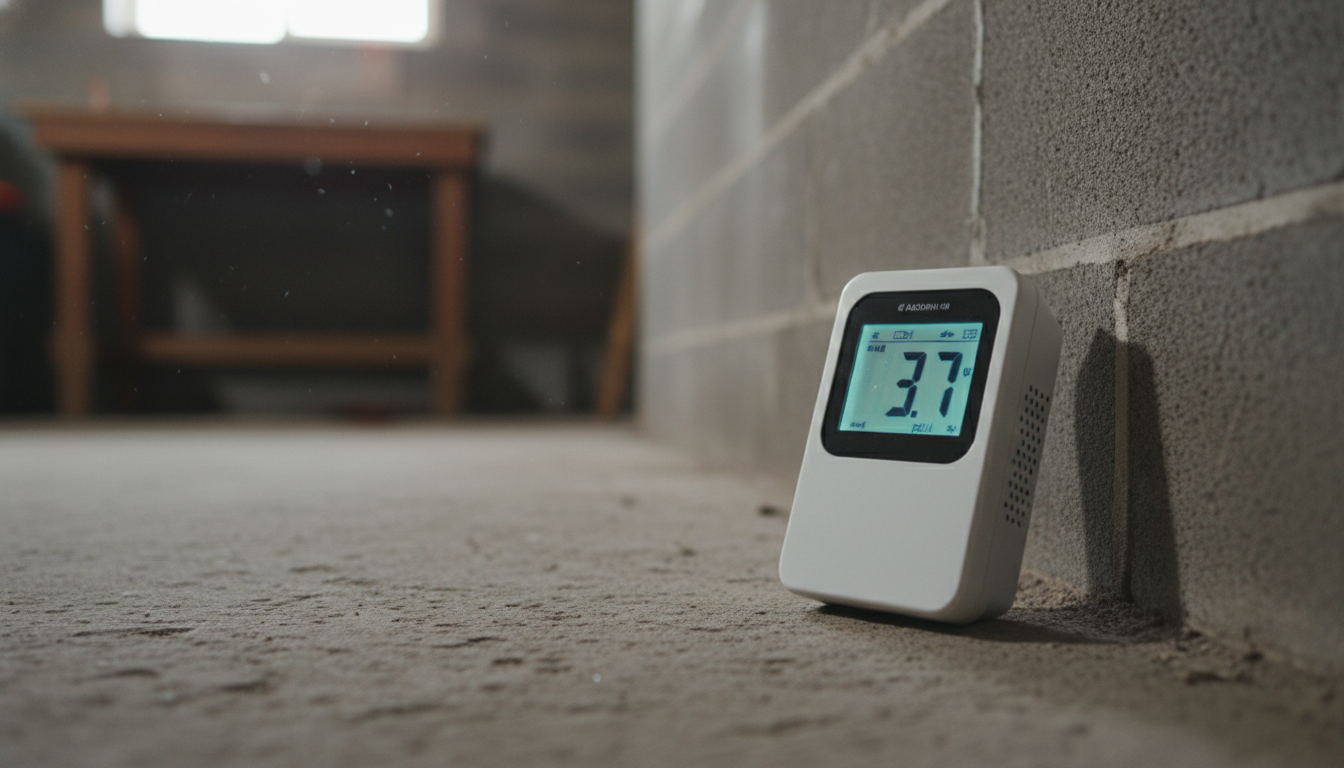
Why Professional Radon Testing Matters in Ohio
Radon testing is the foundation of radon protection. You cannot know if your Ohio home needs mitigation without testing, and you cannot verify that mitigation was successful without post-remediation testing. Despite radon's dangers, testing remains straightforward and affordable, with options ranging from DIY kits to professional-grade continuous monitors.
The key is understanding your testing options and choosing the method that matches your needs. Whether you're a homebuyer investigating a property or a current homeowner wanting peace of mind, this guide covers everything you need to know about radon testing in Ohio.
Short-Term vs. Long-Term Radon Testing
The EPA recommends short-term testing as the initial screening method for radon in homes. Understanding the differences between testing approaches helps you choose the right strategy.
Short-Term Testing (2-90 Days)
Short-term tests measure radon levels over a period ranging from 2 to 90 days, though 2-7 day tests are most common.
- Timeframe: Typically 2, 3, or 7 days for initial screening
- Accuracy: Provides a snapshot but can be affected by weather, ventilation patterns, and daily activities
- Cost: $15-$150 per test depending on method
- Best for: Initial radon screening, real estate transactions, pre-mitigation baseline
- Limitation: Radon levels naturally fluctuate, so short-term results may not reflect annual average
Long-Term Testing (Minimum 3-12 Months)
Long-term tests provide a more representative measure of your home's actual radon exposure because they capture seasonal variations.
- Timeframe: Minimum of 3 months, ideally 12 months for most accurate assessment
- Accuracy: Reflects annual average radon levels, which is what health assessments are based on
- Cost: $150-$300 for professional long-term tests
- Best for: Determining actual home radon burden, baseline for current homeowners
- Advantage: Captures winter peaks and summer lows for a complete picture
Testing Best Practice: The EPA recommends initial short-term screening, but if your home shows 2-10 pCi/L, follow up with long-term testing to confirm whether mitigation is necessary before investing in system installation.
DIY Test Kits vs. Professional Testing
You have choices when it comes to radon testing, each with distinct advantages. Understanding the pros and cons helps you make an informed decision for your situation.
DIY Radon Test Kits
How They Work: DIY kits include passive sampling devices like charcoal canisters that you place in your home for the testing period, then mail to a laboratory for analysis.
| Characteristic | Details |
|---|---|
| Cost | $15-$30 per kit |
| Convenience | Very convenient; place and mail back |
| Accuracy | Good if instructions followed; sensitive to placement and disturbance |
| Timeline | 2-7 days plus lab processing (1-2 weeks) |
| Lab Certification | Varies; verify EPA-accredited labs |
| Best For | Budget-conscious homeowners, initial screening |
Pros: Extremely affordable, DIY convenience, passive devices require no power or maintenance.
Cons: Results take weeks; placement errors reduce accuracy; sensitive to humidity and temperature swings; you must handle shipment correctly; less professional verification.
Professional Radon Testing
How It Works: A certified radon measurement professional visits your home with calibrated equipment—typically continuous monitors or other electronic devices—and conducts testing according to strict EPA protocols.
| Characteristic | Details |
|---|---|
| Cost | $150-$400 |
| Equipment | Continuous monitors or scintillation devices |
| Accuracy | Excellent; calibrated equipment, expert placement |
| Timeline | 2-7 days; results available immediately |
| Certification | Technician certified by EPA or state |
| Best For | Most reliable results, real estate transactions, legal documentation |
Pros: Expert placement ensures accuracy; immediate results; professional documentation; equipment is calibrated; technician can assess radon entry points and mitigation needs.
Cons: Higher cost; requires scheduling visits; professional availability varies by region.
Charcoal Canisters vs. Continuous Monitors
The testing devices themselves matter. Different measurement techniques offer different advantages.
Charcoal Canisters (Passive Devices)
Charcoal canisters absorb radon gas passively over your testing period. You mail the sealed canister to a lab where they measure radon absorption chemically.
- Advantages: Inexpensive, simple, no batteries needed, good for initial screening
- Limitations: Sensitive to humidity (high humidity can interfere); provide only one measurement for entire period; easily disturbed or contaminated
- Accuracy Range: ±20-30% uncertainty
Continuous Radon Monitors
Electronic monitors track radon continuously throughout the testing period, recording data points regularly (usually hourly or more frequently). This creates a detailed picture of radon fluctuations.
- Advantages: Highly accurate, show patterns over time, detect unusual spikes, less affected by humidity, professional grade
- Limitations: More expensive, require power/batteries, more complex operation
- Accuracy Range: ±10% uncertainty or better
When to Test Your Ohio Home
Timing matters for radon testing. Understanding when to test helps ensure you get meaningful results.
Initial Screening: Do This First
- New homeowners: Test within the first few months of purchase to establish baseline levels
- Current homeowners who've never tested: Test immediately, especially if you have a basement
- Selling your home: Consider testing before listing to identify problems and increase buyer confidence
Seasonal Considerations
Ohio's radon levels fluctuate seasonally due to stack effect. Winter testing (November-February) typically shows the highest radon concentrations because heating systems create the greatest pressure differential between your home and surrounding soil.
If your short-term test shows borderline levels (2-4 pCi/L), consider testing during winter months to capture peak radon conditions.
Multi-Level Testing
Basements typically show the highest radon levels. However, if your home has lived-in upper floors, testing multiple levels provides a more complete picture of radon distribution throughout your home.
How to Interpret Your Radon Test Results
Understanding your test results is critical for making decisions about mitigation.
Result Categories
- Below 2 pCi/L: Considered safe by EPA standards; no action required, though retesting every 2-5 years is reasonable
- 2-4 pCi/L: Elevated but below action level; optional mitigation recommended by some experts; consider long-term testing to confirm
- 4-10 pCi/L: Above EPA action level; mitigation strongly recommended; prioritize installation within 6-12 months
- Above 10 pCi/L: Significantly elevated; urgent mitigation recommended; schedule professional mitigation assessment immediately
Remember that these are guidelines. Many radon experts and Ohio health officials recommend mitigation even at 2-4 pCi/L because no level of radon exposure is truly "safe."
Ohio Testing Requirements for Real Estate
Ohio doesn't mandate radon disclosure or testing in real estate transactions like some states do. However:
- It's Voluntary but Common: Most home inspections now include radon testing; it's become industry standard
- FHA and VA Loans: These government-backed mortgages don't require radon testing, but appraisals may flag obvious radon risk factors
- Buyer Negotiation: Buyers increasingly request radon testing as a condition of purchase
- Seller Protection: Testing before listing can reduce buyer contingencies and closing delays
For more details on radon's role in Ohio real estate transactions, consult our complete guide for homebuyers.
Cost Comparison: Testing Methods
Here's a quick breakdown of typical testing costs in Ohio:
| Testing Method | Typical Cost | Timeline |
|---|---|---|
| DIY Charcoal Kit | $15-$30 | 2-3 weeks |
| Professional Short-Term (2-7 days) | $150-$250 | 1 week |
| Professional Long-Term (3-12 months) | $200-$400 | 3-12 months |
| Post-Mitigation Test | $150-$250 | 1 week |
Next Steps: Testing Your Ohio Home
Ready to test your home's radon levels? The process is straightforward. Contact a certified radon measurement professional through our directory to schedule professional testing, or purchase a DIY kit from a hardware retailer to test affordably.
Once you have your results, you'll be equipped to make informed decisions about whether professional radon mitigation is right for your home.